
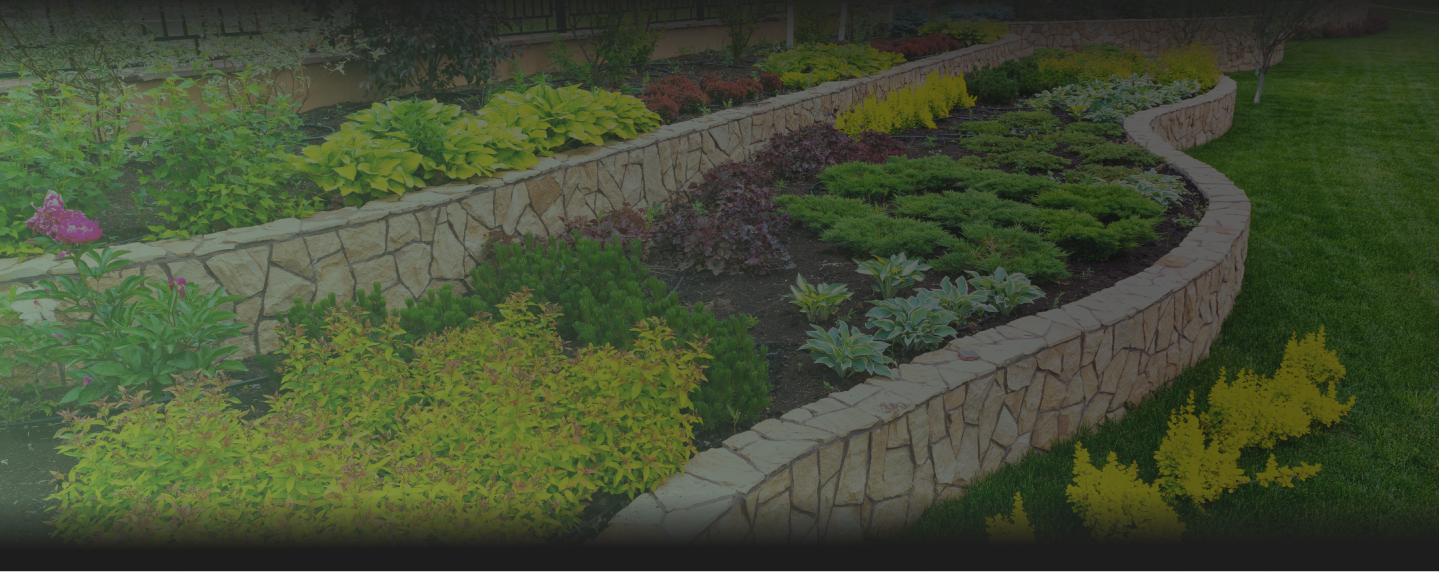
A lush and well-maintained landscape enhances the visual appeal of your property and creates a welcoming environment. However, with so many living parts that require different kinds of care, landscape maintenance can often seem like a daunting task.
The good news is that with a few simple tips and techniques, you can keep your outdoor space looking its best with minimal effort. In this blog post, we will explore some top tips for landscape maintenance that will help you turn your yard into an vibrant oasis.
Why is Landscape Maintenance Crucial for Your Outdoor Space?
Pretty much every household item requires maintenance every once in a while; silver must be polished, hardwood floors waxed, etcetera. But maintenance is especially important when we’re talking about landscapes, because landscapes are living beings. Good planning in advance, such as placing different plant species according to their sunlight needs, can help you avoid excessive maintenance. But a landscape will always require regular care.
Without landscape maintenance, things can go awry very quickly. In a few days without rain, many tropical plant species will start to dry up and wilt. Without mulching, weeds can shoot up and compete with your plants for resources such as sunlight. If plants aren’t pruned regularly, they can become overgrown and throw off the aesthetic of your landscape, as well as potentially keeping other plants from having the space and sunlight they need.

Maintaining the Quality and Design of Your Landscape
Now that we’ve gone over why landscape maintenance is so important, let’s go over some simple tips to help you keep your yard looking as great as it did when everything was first planted.
- Keep it clean!
As we mentioned before, mulching and weeding are non-negotiable aspects of landscape maintenance. It’s also important to promptly remove debris, such as fallen leaves, from your landscape, as these can block the sun from reaching your plants.
If you rake fallen leaves into a huge pile that you don’t know what to do with, you may consider composting them to make nutrient-rich soil for your plants. The speed at which leaves break down depends on various factors, including their species, the temperature, and other environmental variables. So we recommend doing a bit of research to see if composting leaves is a viable option for you.
To keep your landscape looking neat, it’s also a good idea to regularly clean elements such as wooden structures or stone pathways to prevent the growth of moss and mold.
- Avoid using machines that can damage it
Power tools have definitely made home improvement and maintenance easier. When it comes to landscape maintenance, it can be tempting to tackle the tasks at hand with maximum efficiency by using your best machinery. However, some power tools can end up doing more harm than good.
While caring for your landscape, avoid using any tools that could damage the delicate foliage of your plants or disrupt their root structures. If weeds are intertwined with the species that you planted, using a weed eater is a risky operation—you’re likely to cut leaves off your plants by accident. And as tempting as it is to clean pathways with a pressure washer, if the adjacent area is full of plants, you must be very careful that the powerful stream of water doesn’t hit them.

- Use high-quality products
Whether you’re in the market for fertilizer, mulch, or some other landscape maintenance product, simply going with the cheapest option is not a winning strategy in the long run. We recommend using landscaping forums and the expertise of the clerk at your local store to figure out the best products for your specific plant species and setup.
Steps to Revive a Deteriorating Section of Your Landscape
If a section of your landscape is failing to thrive, the first step is to diagnose the problem—is there a pest, are the plants unsuited for the climate, or is it something else? After you figure that out, make sure that the issue isn’t affecting other parts of the landscape in ways that aren’t yet visible (for example, aphids that have moved to another plant but not yet made holes in the foliage).
Once you’ve completed those two steps, you can go about solving any problem. Just remember the three key rules described in the last section. At this link, find the high-quality landscape maintenance products you’ll need for great results.